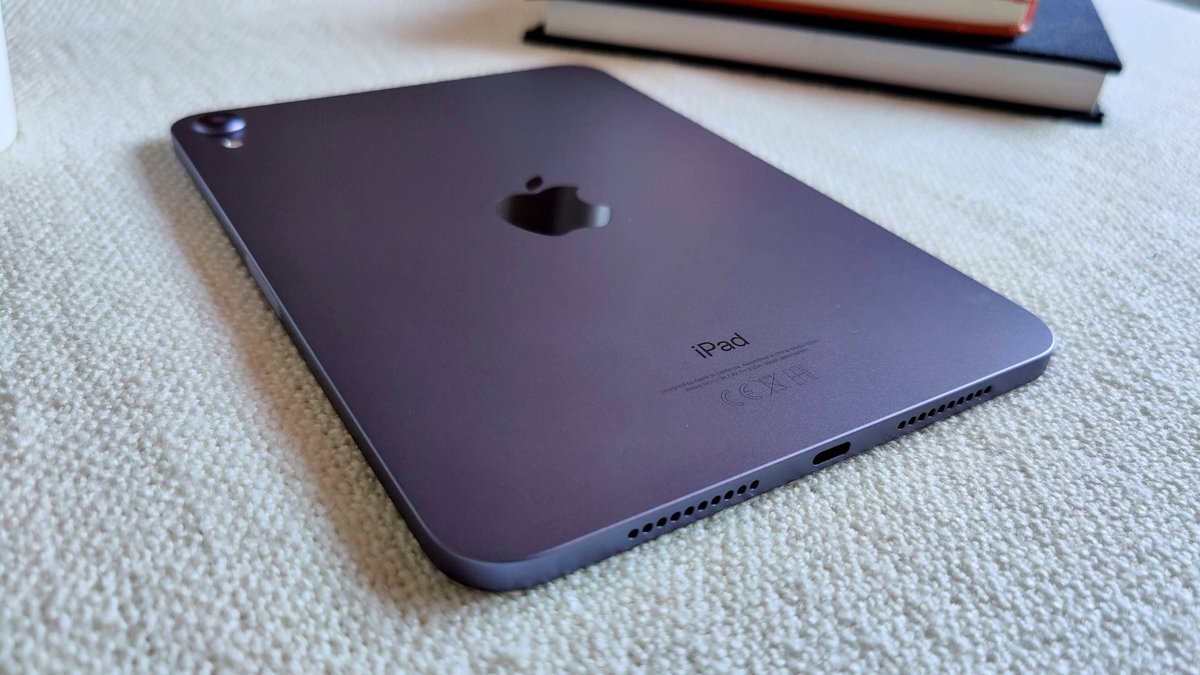
If you're wrestling with the myriad of tablet options out there, chances are you've bumped into the iPad Mini 6. It's the little powerhouse that punches above its weight, but its defining characteristic is, without a doubt, its size. When you're trying to figure out if it's the right fit for your hands, your bag, and your life, a clear iPad Mini 6 Size Comparison: Against Other iPads & Tablets becomes absolutely essential.
This isn't just about numbers on a spec sheet; it's about how those dimensions translate into a real-world experience. Is it small enough to be truly portable without sacrificing usability? Is it too small for your daily tasks, or just right? Let's dive in and break down exactly how the Mini 6 stacks up against its Apple siblings and other competitors.
At a Glance: The iPad Mini 6's Place in the Tablet World
- Pocket Rocket: At 8.3 inches, the iPad Mini 6 is Apple's most compact and powerful tablet, designed for ultimate portability and one-handed use.
- Identical Footprint to Mini 7: Physically, the iPad Mini 6 shares the exact same dimensions and weight as its successor, the iPad Mini 7. The differences are internal.
- Significantly Smaller Than Standard iPad: The Mini 6 is substantially smaller and lighter than the 11-inch standard iPad (11th Gen), making it far more agile for on-the-go tasks.
- Premium Small Tablet: It occupies a unique niche, offering high-end performance and display quality in a form factor rarely matched by Android competitors.
- Ideal for Reading, Gaming, Note-taking: Its size makes it a fantastic e-reader, mobile gaming device, and digital notebook, especially with Apple Pencil support.
- Not a Laptop Replacement: While capable, its screen size makes it less ideal for heavy multitasking or pro-level creative work compared to larger iPads.
Why Size Matters: The Mini's Unique Appeal
Apple's iPad lineup has diversified over the years, from the sprawling canvases of the iPad Pro to the versatile standard iPad and the compact Air. Yet, the iPad Mini has consistently carved out its own niche, primarily defined by its portability. It's the tablet you can easily slip into a small bag, hold comfortably with one hand for extended periods, or even fit into a generously sized jacket pocket.
But this isn't just about convenience; it's about the entire user experience. A smaller device changes how you interact with content, how you consume media, and how you integrate technology into your daily flow. The Mini 6 aims to strike a delicate balance: providing enough screen real estate to be truly productive and immersive, without crossing the line into cumbersome.
iPad Mini 6 Dimensions: The Pocket Rocket's Blueprint
Let's get down to the hard numbers that define the iPad Mini 6. Released in 2021, it brought a radical redesign to the Mini line, adopting the modern, all-screen aesthetic previously seen on the iPad Air and Pro models. This meant significantly smaller bezels and the relocation of Touch ID to the power button, maximizing screen space within a compact body.
Here are the vital statistics for the iPad Mini 6:
- Height: 7.69 inches (195.4 mm)
- Width: 5.30 inches (134.8 mm)
- Depth: 0.25 inches (6.3 mm)
- Weight (Wi-Fi model): 0.65 pounds (293 grams)
- Weight (Wi-Fi + Cellular model): 0.66 pounds (297 grams)
- Display Size: 8.3-inch Liquid Retina IPS LCD
- Resolution: 2266 x 1488 pixels (326 pixels per inch)
These dimensions are crucial because they dictate the Mini's ergonomics. It's designed to feel good in your hand, light enough not to cause fatigue, and thin enough to disappear into your everyday carry. This makes it an unparalleled device for reading e-books, browsing the web while lounging, or even gaming on the go.
The Sibling Rivalry: iPad Mini 6 vs. iPad Mini 7 (A17 Pro)
If you're specifically interested in the Mini form factor, you might be wondering how the iPad Mini 6 compares to its direct successor, the iPad Mini 7 (2024). This is where size comparison gets interesting because, physically, the iPad Mini 6 and iPad Mini 7 are absolutely identical.
- iPad Mini 7 Dimensions & Weight:
- Height: 7.69 inches (195.4 mm)
- Width: 5.30 inches (134.8 mm)
- Depth: 0.25 inches (6.3 mm)
- Weight (Wi-Fi model): 0.65 pounds (293 grams)
- Weight (Wi-Fi + Cellular model): 0.66 pounds (297 grams)
- Display Size: 8.3-inch Liquid Retina IPS LCD (2266 x 1488 pixels, 326 ppi)
So, if you pick up a Mini 6 or a Mini 7, your hands won't feel any difference in terms of footprint or heft. The screen size and quality remain the same as well. This means any cases or accessories designed specifically for the Mini 6 will likely fit the Mini 7 perfectly, which is a nice bonus.
The key differences, as our ground truth reveals, are internal: - Performance: The Mini 7 boasts the A17 Pro Bionic chip, a significant leap from the Mini 6's A15 Bionic. This means faster processing, a more powerful GPU (up to 20% faster), and hardware-accelerated ray tracing for gaming.
- Apple Intelligence: Crucially, the Mini 7's A17 Pro supports the new Apple Intelligence features in iPadOS 18, like advanced Writing Tools and Photos AI enhancements. The Mini 6 does not.
- Apple Pencil Pro: The Mini 7 supports the new Apple Pencil Pro, offering haptic feedback, squeeze gestures, and barrel roll for more nuanced creative control. The Mini 6 does not, though both can use the USB-C Apple Pencil.
- Base Storage & Wireless: The Mini 7 starts at a more generous 128GB (for the same $499 launch price as the Mini 6's 64GB) and features Wi-Fi 6E for faster, more stable wireless connectivity compared to the Mini 6's Wi-Fi 6.
The Takeaway: If size and portability are your absolute top priorities, the Mini 6 still delivers the same compact form factor as the Mini 7. However, if you want the absolute best performance, future-proofing with Apple Intelligence, Apple Pencil Pro support, and better base storage value, the Mini 7 is the superior choice for the same physical footprint. For a deeper dive into these generational improvements, you can check out a full breakdown of iPad mini 7 upgrades over the mini 6.
Stepping Up: iPad Mini 6/7 vs. The Standard iPad (11th Gen, A16)
Now, let's pit the compact iPad Mini against its larger, more budget-friendly sibling: the standard iPad (specifically the 11th Generation with the A16 chip). This is where the size comparison truly becomes a critical decision point.
Here's how the dimensions stack up:
| Feature | iPad Mini 6/7 (8.3-inch) | iPad (11th Gen, 11-inch) |
|---|---|---|
| Height | 7.69 inches (195.4 mm) | 9.79 inches (248.6 mm) |
| Width | 5.30 inches (134.8 mm) | 7.07 inches (179.5 mm) |
| Depth | 0.25 inches (6.3 mm) | 0.28 inches (7.1 mm) |
| Weight (Wi-Fi) | 0.65 pounds (293 grams) | 1.05 pounds (476 grams) |
| Display Size | 8.3-inch Liquid Retina | 11-inch Liquid Retina |
| Display PPI | 326 ppi | 264 ppi |
| As you can see, the standard iPad is significantly larger and heavier. |
- Screen Real Estate: The most obvious difference is the jump from the Mini's 8.3-inch display to the standard iPad's 11-inch screen. This extra space makes a huge difference for certain tasks. Multitasking with Split View is more practical on the larger screen, and general web browsing, document editing, or media consumption feels less cramped.
- Portability: The Mini absolutely dominates in portability. It's nearly half a pound lighter than the standard iPad, making it far more comfortable for extended one-handed use and much easier to carry around unnoticed. The standard iPad, while still portable, requires a larger bag and is less suited for truly discreet carry.
- Display Quality (Beyond Size): While both are Liquid Retina displays, the Mini 6/7 offers a superior experience. It's fully laminated, meaning there's no air gap between the glass and the display panel, which reduces parallax and makes content feel closer to the surface. It also has an anti-reflective coating and supports Wide Color (P3), resulting in richer, more accurate colors. The standard iPad uses sRGB and lacks full lamination, making it a good, but not great, display.
- Processor & Apple Intelligence: The iPad Mini 7 has the A17 Pro, while the standard iPad 11th Gen uses the A16. This means the Mini 7 supports Apple Intelligence, a major advantage for future AI-powered features. The Mini 6 (A15) and standard iPad (A16) do not.
- Accessory Support: The standard iPad supports the Magic Keyboard Folio, effectively turning it into a capable laptop alternative for typing. The Mini, due to its size, doesn't have an equivalent full-sized keyboard case from Apple, though third-party options exist. The Mini 7 supports the Apple Pencil Pro, while the standard iPad supports the 1st Gen and USB-C Apple Pencils.
- Price: The standard iPad (11th Gen) starts cheaper at $349, making it a more budget-friendly option for those who prioritize screen size and don't need the Mini's extreme portability or the Mini 7's cutting-edge performance/Apple Intelligence. The Mini 7 starts at $499.
Who it's for: - Choose the Mini (6 or 7) if: Portability, one-handed comfort, superior display quality (on the Mini 7), e-reading, mobile gaming, and advanced Apple Pencil features (Mini 7) are your top priorities.
- Choose the Standard iPad (11th Gen) if: You need more screen for productivity, enjoy media on a larger canvas, want Magic Keyboard Folio compatibility, and are working with a tighter budget.
For a comprehensive breakdown of these two compelling devices, dive into a detailed comparison between the iPad mini and the standard iPad.
The Heavyweights: iPad Mini 6/7 vs. iPad Air & iPad Pro
Stepping up even further in size, we encounter the iPad Air and the iPad Pro lines. These are built for different purposes, and their dimensions reflect that.
Let's look at the general size progression:
- iPad Mini 6/7: 8.3-inch display, ~0.65 lbs
- iPad Air (latest): 10.9-inch display, ~1.02 lbs
- iPad Pro 11-inch (latest): 11-inch display, ~1.03 lbs
- iPad Pro 13-inch (latest): 13-inch display, ~1.24 lbs
The difference in size and weight is substantial. - iPad Air (10.9-inch): The Air bridges the gap between the standard iPad and the Pro, offering a premium experience with a larger, fully laminated display and powerful chips (M2 in the latest models). Its 10.9-inch screen is a significant leap from the Mini, making it much better for detailed work, creative tasks, and traditional "laptop-like" productivity when paired with a Magic Keyboard. It's still relatively thin and light, but far less "one-handable" than the Mini.
- iPad Pro (11-inch & 13-inch): These are Apple's flagship tablets, designed to push the boundaries of what a tablet can do. The 11-inch Pro shares a similar footprint to the standard iPad but packs a far more advanced Tandem OLED display and powerful M4 chip. The 13-inch Pro is a true laptop replacement, offering an expansive display that makes video editing, graphic design, and multitasking a joy. These devices are heavier, larger, and significantly more expensive, but they offer unparalleled performance and display quality.
The Mini's Place: The iPad Mini 6 (and 7) isn't trying to compete with these larger devices on screen real estate or raw power for demanding creative applications. Instead, it offers a distinct advantage: unparalleled portability without sacrificing core iPad functionality. If you need to edit a 4K video or design complex CAD models, you'll reach for an Air or a Pro. But if you want to quickly jot down notes, read an article, or play a game during your commute, the Mini's size makes it the clear winner.
For a deeper dive into comparing the Mini to its larger Air and Pro siblings, consider the nuances of each model's intended use and the impact of screen size on your workflow.
Beyond Apple: How the iPad Mini 6 Stacks Up Against Other Tablets
While Apple dominates the premium tablet market, it's worth briefly considering how the iPad Mini 6's size compares to Android tablets. This is where the Mini truly shines in its niche.
Many Android tablets, especially in the more affordable segments, tend to be either much larger (10 inches and up) or smaller but significantly less powerful (e.g., Amazon Fire tablets). High-end Android tablets like Samsung's Galaxy Tab S series often focus on larger screens (11-inch, 12.4-inch, or even 14.6-inch) to compete directly with the iPad Pro.
The Gap in the Market: There are very few direct Android competitors that offer the iPad Mini 6's combination of premium build quality, powerful performance (especially the A15/A17 Pro chip), a high-resolution 8.3-inch display, and a refined software ecosystem, all in such a compact and lightweight package.
- Performance: The Mini's A15 Bionic chip (and especially the Mini 7's A17 Pro) often outperforms chips found in similarly sized Android tablets, providing a smoother, more responsive experience for apps and games.
- Display: The Mini's Liquid Retina display, with its high pixel density (326 ppi), P3 wide color, and anti-reflective coating, typically offers a superior viewing experience to many Android tablets in its size class, which might sacrifice these features for a lower price point.
- Ecosystem: Apple's App Store is still generally considered to have a richer selection of tablet-optimized apps compared to Android, particularly for productivity and creative tasks.
The Bottom Line: If you're looking for a truly compact, premium tablet experience, the iPad Mini 6 (or 7) largely stands alone. Android options might offer varying screen sizes, but few deliver the same consistent, high-quality experience in the small tablet category.
Choosing Your Champion: Decision Criteria Based on Size & Use
Understanding the raw dimensions is just the first step. The real question is: what does that size mean for you and your daily activities? Here's how to decide if the iPad Mini 6 (or its successor) is your ideal companion.
1. Portability vs. Screen Real Estate: The Core Trade-off
- Prioritize Portability (Choose Mini): If your primary goal is a device that goes everywhere with you effortlessly – slipping into a small purse, backpack side pocket, or even a large jacket pocket – the Mini 6/7 is unmatched. It's the ultimate "grab-and-go" tablet. Its lightness makes it a joy for commuters, travelers, or anyone who moves around a lot.
- Prioritize Screen Real Estate (Choose Standard iPad, Air, or Pro): If you often find yourself wishing for more room to work, view documents, or enjoy movies without squinting, then a larger iPad is likely better. The trade-off is increased weight and a larger footprint, making it less convenient for truly spontaneous, one-handed use.
2. One-Handed Use & Comfort
- Mini Excels: The Mini 6's 5.30-inch width makes it genuinely comfortable to hold with one hand, whether you're reading in bed, scrolling through social media, or even taking notes while standing. This is a massive differentiator from all other iPads.
- Larger iPads Require Two Hands: While you can hold a standard iPad with one hand, it's often awkward and fatiguing for prolonged periods. The Air and Pro models are almost exclusively two-handed devices or best used propped up.
3. Reading & Gaming
- Mini is a Fantastic E-Reader: Its size and weight closely mimic a paperback book, making it ideal for reading e-books, comics, and magazines. The high pixel density (326 ppi) ensures text is crisp and clear.
- Mini for Mobile Gaming: For mobile-first games, the Mini's size is a sweet spot. It's large enough for immersive visuals but small enough for comfortable touch controls without feeling like you're holding a dinner plate. Many gamers prefer the Mini for this reason.
- Larger iPads for Immersive Media: If you primarily consume movies, TV shows, or graphically intensive console-like games, a larger screen provides a more cinematic experience.
4. Productivity & Multitasking
- Mini for Focused Tasks: The Mini is excellent for single-app productivity – jotting notes with Apple Pencil, managing emails, or focused web browsing. You can do Split View, but it feels more cramped.
- Larger iPads for Serious Productivity: For heavy multitasking, using apps side-by-side, document editing, or any task requiring a keyboard, the standard iPad, Air, or Pro are far more capable. Their larger screens and compatibility with Apple's Magic Keyboard Folio (for standard iPad) or Magic Keyboard (for Air/Pro) transform them into effective laptop replacements.
5. Creative Work
- Mini for Quick Sketches & Casual Art: The Mini 6/7 with Apple Pencil support is great for quick sketches, doodling, or light photo editing.
- Larger iPads for Professional Creativity: For serious graphic design, illustration, video editing, or music production, the expansive screens and more powerful chips of the iPad Air or Pro are indispensable. The extra screen real estate provides the canvas needed for precision work.
6. Budget Considerations
- Mini (6 vs. 7): The Mini 7 starts at $499 for 128GB, offering better value than the Mini 6 did at its launch price for 64GB. You might find discounted Mini 6 models, which could be a good value if you don't need the latest processor or Apple Intelligence.
- Standard iPad (11th Gen): At $349, the standard iPad offers the most screen for your dollar, making it a compelling choice if budget is a primary concern and you can live with its limitations (less powerful chip, less premium display).
In essence: Your lifestyle and primary use cases will dictate whether the Mini 6's compact power is a perfect fit or if you need the expansive canvas of its larger siblings.
Addressing Common Questions & Misconceptions
Let's clear up some common thoughts and queries about the iPad Mini 6's size and capabilities.
Is the iPad Mini 6 too small for serious work?
"Serious work" is subjective. If your "serious work" involves writing lengthy documents, heavy spreadsheet analysis, graphic design, or video editing, then yes, the Mini's 8.3-inch screen will likely feel restrictive. You'll constantly be zooming, scrolling, and wishing for more room.
However, if your "serious work" involves managing emails, reading and annotating PDFs, taking detailed notes, project management in a Trello-like app, or even light coding (with external keyboard), the Mini can be surprisingly capable. Its portability means you're more likely to have it with you to get those smaller tasks done wherever you are. It's a fantastic companion for work, rather than a primary workhorse like an iPad Pro.
Does the iPad Mini 6 have the "jelly scroll" issue?
The iPad Mini 6 was noted by some users to exhibit a "jelly scroll" effect, where one side of the screen refreshes slightly slower than the other when scrolling in portrait orientation. Apple stated this is normal behavior for LCD screens. While noticeable to some, it's not a widespread defect and doesn't affect functionality or reliability for the vast majority of users. It's a minor visual quirk, not a showstopper, and certainly not related to its size. The Mini 7, having the same display technology and form factor, is also expected to exhibit this to a similar degree.
Is the Mini 6 still worth it with the Mini 7 out?
Absolutely, depending on the price. Since the Mini 6 shares identical physical dimensions with the Mini 7, you get the same premium compact experience. If you find a Mini 6 at a significant discount (especially if it's the 256GB model), and you don't need the absolute latest chip (A17 Pro), Apple Intelligence features, or Apple Pencil Pro compatibility, then the Mini 6 remains an excellent value. Its A15 Bionic chip is still incredibly powerful and capable of handling virtually any app or game with ease for years to come.
What accessories are best for the Mini 6's size?
Given its compact nature, the best accessories enhance its portability and specific use cases:
- Apple Pencil (USB-C): Essential for note-taking, drawing, and annotation. The Mini 6 supports it (the Mini 7 supports both USB-C and Apple Pencil Pro).
- Smart Folio Cover: A slim, lightweight cover that protects the screen and acts as a stand for media viewing. Crucially, it adds minimal bulk.
- Compact Bluetooth Keyboard: While no Apple-made keyboard case exists for the Mini, many third-party compact Bluetooth keyboards pair well for occasional typing without adding significant weight or size.
- Power Bank: Given its small size and potential for heavy use on the go, a good power bank ensures you're never caught without juice.
The Verdict: Is the iPad Mini 6 the Right Fit for You?
The iPad Mini 6 occupies a truly unique and compelling position within the tablet landscape. It's the ultimate compact companion, a digital Swiss Army knife that excels in specific scenarios precisely because of its size.
Choose the iPad Mini 6 (or 7) if:
- Portability is paramount: You need a tablet that easily slips into small bags, is comfortable to hold one-handed, and doesn't weigh you down.
- You're an avid reader or mobile gamer: Its size and high-resolution screen make for an excellent e-reader and a supremely comfortable gaming device.
- You value superior display quality in a small package: The Mini's Liquid Retina display (laminated, P3 wide color, anti-reflective) offers a premium viewing experience for its size.
- Note-taking and light creative tasks are key: Paired with an Apple Pencil, it's a fantastic digital notebook and sketchpad.
- You want a premium experience without the bulk of larger iPads.
Look elsewhere if: - You need a true laptop replacement: For heavy typing, multitasking with many windows, or professional creative work, a larger iPad (Standard, Air, or Pro) is a much better fit.
- Screen real estate is your absolute top priority: You find smaller screens too cramped for extended use or immersive media.
- Budget is extremely tight: While the Mini 6 can be found at discounts, the standard iPad (11th Gen) offers more screen for less money.
Ultimately, the iPad Mini 6 isn't just a smaller iPad; it's an iPad designed with an entirely different philosophy – one that prioritizes agility, convenience, and focused engagement. Its compact dimensions dictate a unique user experience, and for many, that experience is nothing short of perfect. Understanding its size comparison against other devices helps illuminate this distinction, guiding you to the tablet that genuinely fits your life. For a deeper dive into all aspects of this compact marvel, check out our comprehensive iPad Mini 6 size guide.
Final Actionable Advice: Try Before You Buy (If You Can)
Numbers on a page, while informative, can only tell you so much. If you're on the fence about the iPad Mini 6's size, the single best piece of advice is to try to hold one in person. Visit an Apple Store or a retailer that displays iPads. Pick it up. See how it feels in one hand. Test it with some basic tasks. Compare it side-by-side with a standard iPad. This tactile experience will confirm whether its unique dimensions align with your comfort and usage preferences far better than any article can convey. Once you experience that "just right" feeling, your decision will become crystal clear.